

General Dentistry
Sleep Apnea Treatment in Charleston, SC
Rest easy with a custom oral appliance.
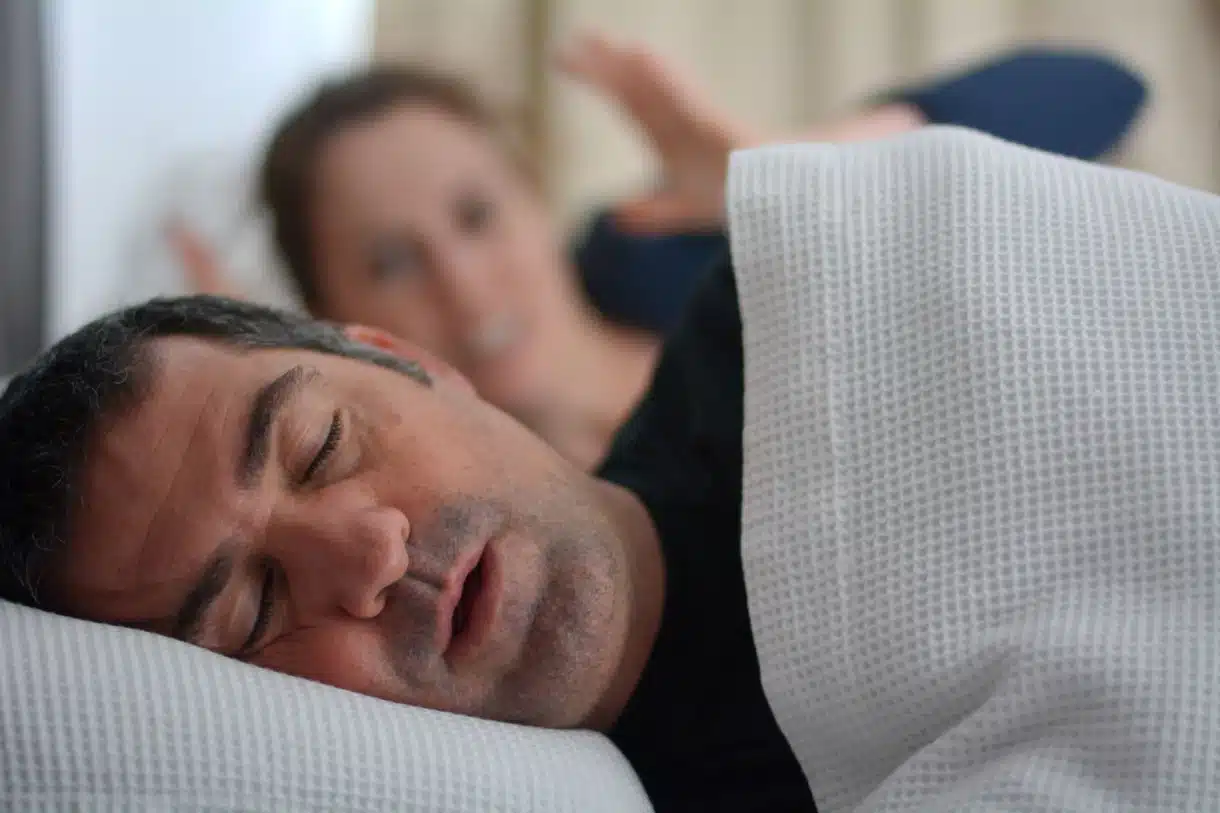
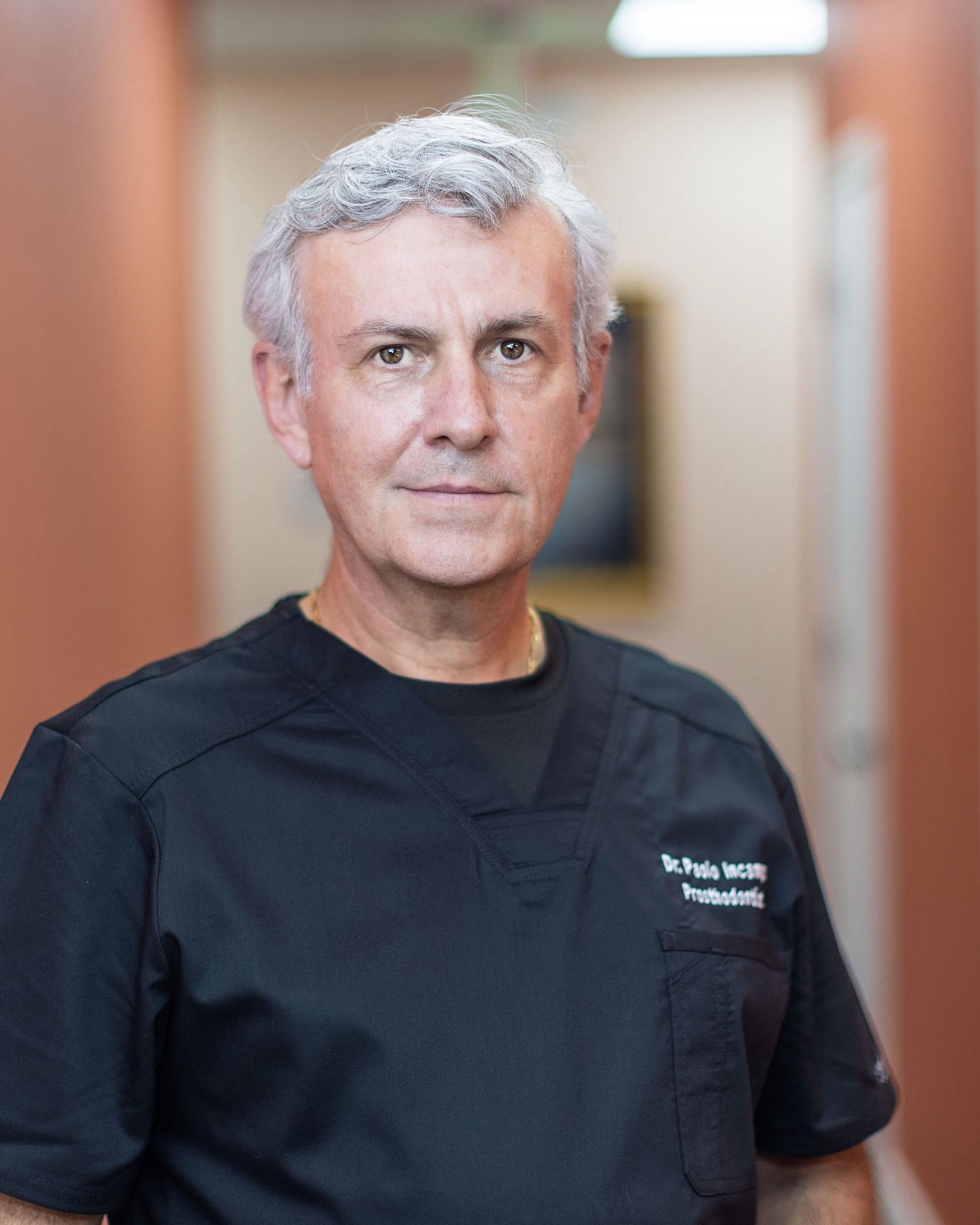
Sleep apnea is more than snoring: it is a health condition that affects your rest, your energy and your overall wellness. Dr. Paolo Incampo, DMD, provides comfortable dental treatment that helps patients breathe easier and sleep more soundly.
Replace missing teeth. Rebuild your smile.
Understanding sleep apnea
Sleep apnea occurs when breathing repeatedly stops and starts during sleep. The most common form, obstructive sleep apnea (OSA), happens when the airway becomes blocked by the tongue or the soft tissues of the throat as they relax. Without treatment, sleep apnea can increase the risk of heart disease, high blood pressure, diabetes and stroke. Many patients find CPAP machines bulky or uncomfortable, and for them a dentist-prescribed oral appliance can be an alternative. The appliance repositions the jaw and tongue to help keep the airway open naturally while you sleep.
Common symptoms of sleep apnea
- Loud, chronic snoringOften noticed first by a partner, and a key warning sign.
- Gasping or chokingSudden interruptions to breathing during sleep.
- Daytime fatiguePersistent tiredness despite a full night in bed.
- Morning headachesOften with a dry mouth on waking.
Brain fog and difficulty concentrating are common signs as well.
Oral appliance therapy
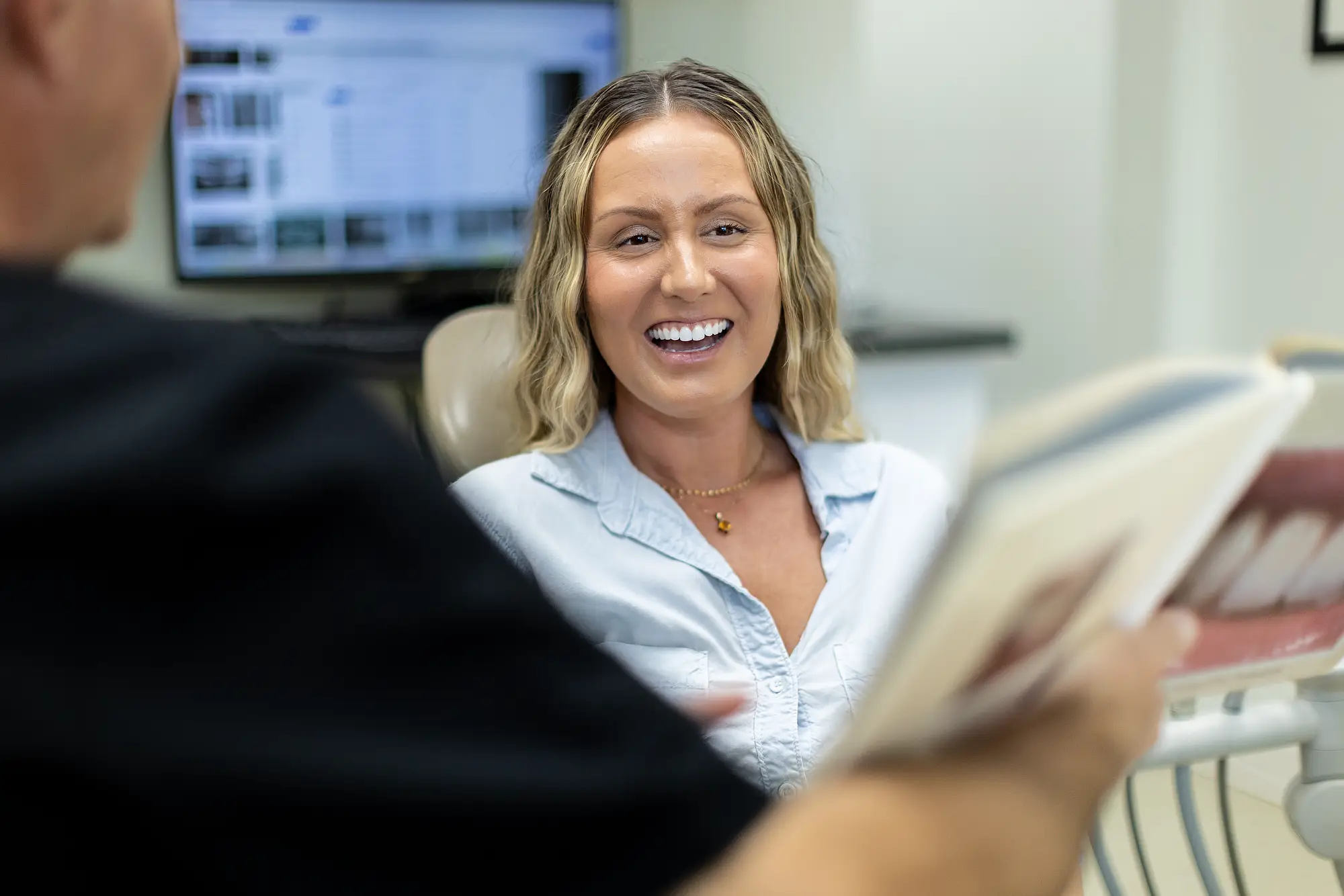
An oral appliance is a custom-fitted device worn during sleep and prescribed by a dentist as an alternative to CPAP.
- Small and portableEasy to pack and travel with.
- Custom-fittedMade from digital impressions of your teeth for a precise, comfortable fit.
- QuietNo mask, no tubes and no machine noise.
- For snoring and sleep apneaAn effective option for mild to moderate obstructive sleep apnea and for snoring.
Our approach to sleep apnea care
- A consultation to review your symptoms and medical history
- A sleep study, recommended if you need one for a diagnosis
- Digital impressions for your custom appliance
- Follow-up visits and adjustments for comfort and fit
Related care
Jaw pain, clicking or teeth grinding can point to a different problem, covered under TMJ treatment. Sleep apnea care is part of our general dentistry, and you can learn about the technology behind a precise appliance fit or read our FAQ.
The short answer
Sleep apnea is a condition in which breathing repeatedly stops and starts during sleep, most often because the tongue or soft tissues of the throat block the airway. Oral appliance therapy is a dentist-prescribed alternative to CPAP: a small, custom-fitted device worn at night that repositions the jaw and tongue to help keep the airway open. Treatment begins with a review of your symptoms and medical history, a sleep study if one is needed, and digital impressions for a precise fit.
Sleep apnea FAQ
- What causes sleep apnea?
- Obstructive sleep apnea is usually caused by the airway becoming blocked as the throat muscles and tongue relax during sleep. When the airway narrows or closes, breathing stops and then starts again. Each pause disrupts your sleep, often without you realizing it.
- How do I know if I have sleep apnea?
- Loud snoring, gasping during sleep and daytime fatigue are key warning signs of sleep apnea. Morning headaches, a dry mouth and difficulty concentrating are common too. A sleep study provides a definitive diagnosis, and one can be recommended at your consultation if needed.
- Is oral appliance therapy effective?
- Oral appliance therapy is an effective option for mild to moderate sleep apnea and for patients who cannot tolerate CPAP. The appliance repositions the jaw and tongue to help keep the airway open during sleep. Follow-up visits allow adjustments for comfort and fit.
- Do I always need a CPAP machine?
- No, a CPAP machine is not the only treatment for sleep apnea. Many patients find oral appliance therapy a comfortable alternative, with no mask, tubes or machine noise. The right treatment depends on your diagnosis, so your symptoms and any sleep study results guide the recommendation.
- Will insurance cover sleep apnea treatment?
- Some medical insurance plans include oral appliance therapy when it is prescribed for diagnosed sleep apnea, and coverage varies by plan. The team can check your benefits and explain what your plan includes. You receive a written estimate before treatment begins.
- Can sleep apnea be dangerous?
- Yes, untreated sleep apnea can be dangerous to your health. It increases the risk of heart disease, high blood pressure, diabetes and stroke. That is why loud snoring and daytime fatigue are worth having checked.
- Can children have sleep apnea?
- Yes, children can have sleep apnea. The causes and treatments may differ from those in adults. Pediatric cases may be referred to a specialist for evaluation.
- Will a dental appliance stop snoring?
- In many cases, yes: an oral appliance can reduce or eliminate snoring while improving sleep quality. It works by holding the jaw and tongue in a position that keeps the airway more open. Loud snoring can also be a sign of sleep apnea, so it is worth having checked.
- How long does it take to adjust to an oral appliance?
- Most patients adjust to an oral appliance as they get used to wearing it at night. Because the appliance is custom-fitted from digital impressions, it is made to fit your teeth precisely. Follow-up visits allow adjustments if anything feels uncomfortable.
- What’s the first step if I think I have sleep apnea?
- The first step is a consultation to review your symptoms and medical history. If testing is needed, a sleep study can be recommended, and then your treatment options are discussed. You can book online or call the office to get started.
Book a visit
Start with a consultation.
Office hours
Google reviews
Insurance & financing
Call with your plan details and we’ll check your benefits and give you a written estimate before treatment begins.
Payment plans and third-party financing are available for routine care and for larger treatment such as dental implants and full mouth reconstruction.