

Restorative Dentistry
Dental Bridges in Charleston, SC
Replace missing teeth and restore your bite.
Missing teeth affect more than your appearance: they also change how you chew, speak and bite. Dr. Paolo Incampo, DMD, provides custom traditional, implant-supported and cantilever bridges for one missing tooth or several.
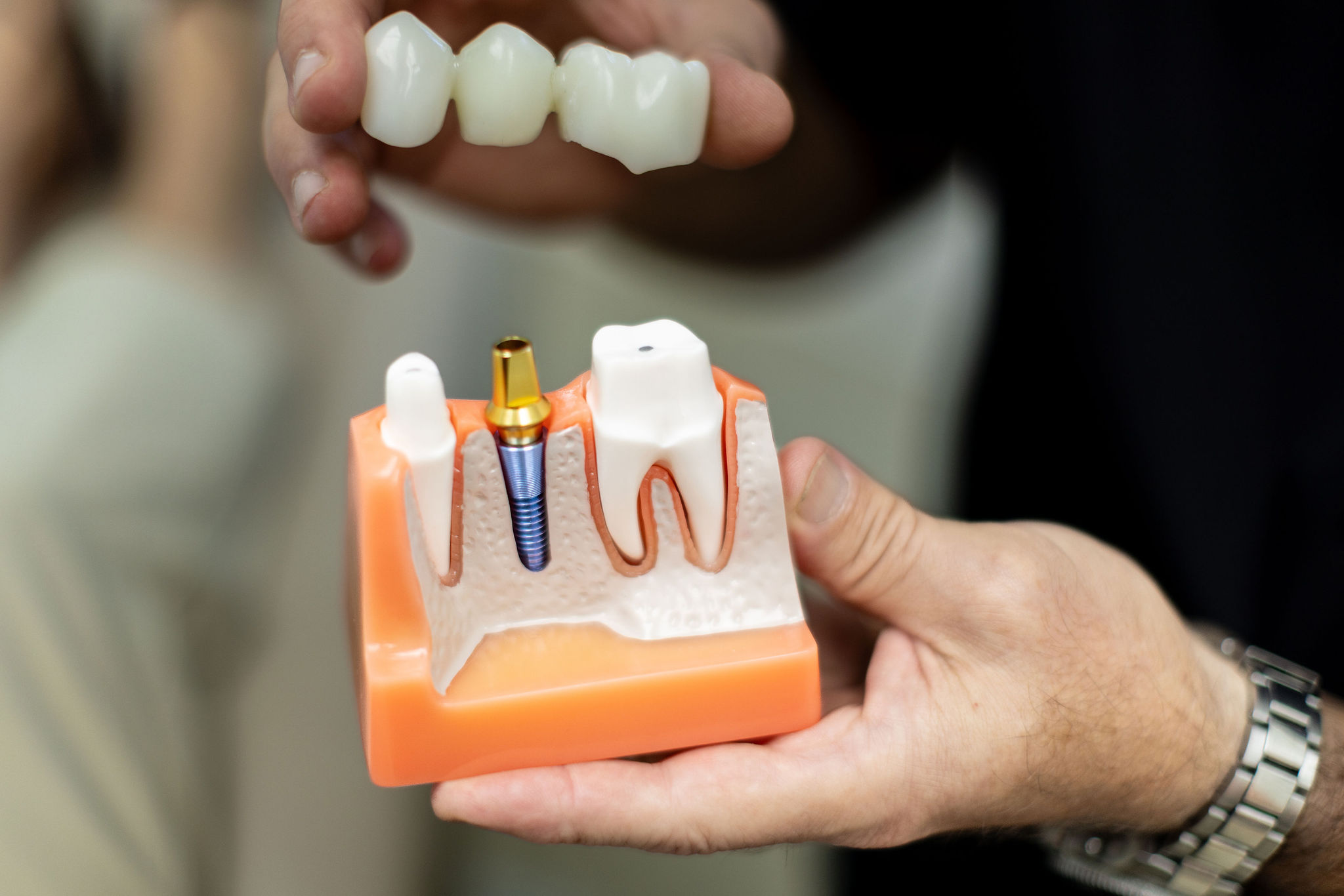
Replace missing teeth. Rebuild your smile.
Fill the gap with a custom bridge
A dental bridge replaces one or more missing teeth by anchoring an artificial tooth, called a pontic, to the neighboring teeth or to dental implants. Filling the gap restores chewing and speaking and helps keep the teeth around it from shifting out of place, so your bite stays stable. Each bridge is custom-made from tooth-colored materials that blend with your natural smile. As a prosthodontist, Dr. Incampo plans the bridge, designs its teeth and checks that your bite works comfortably. Whether you are missing one tooth or several in a row, he explains which type of bridge suits your mouth.
Types of dental bridges we offer
Bridges are a versatile way to replace missing teeth, and the right type depends on the teeth and bone around the gap.
- Traditional bridgesThe most common type. Crowns placed on the teeth on either side of the gap support the replacement tooth between them.
- Implant-supported bridgesAnchored to dental implants in the jawbone instead of natural teeth, for added stability. Healthy neighboring teeth are left untouched, and the implants help preserve the jawbone.
- Cantilever bridgesSupported by a crowned tooth on one side of the gap only, for places where a natural tooth sits on just one side.
What getting a bridge involves
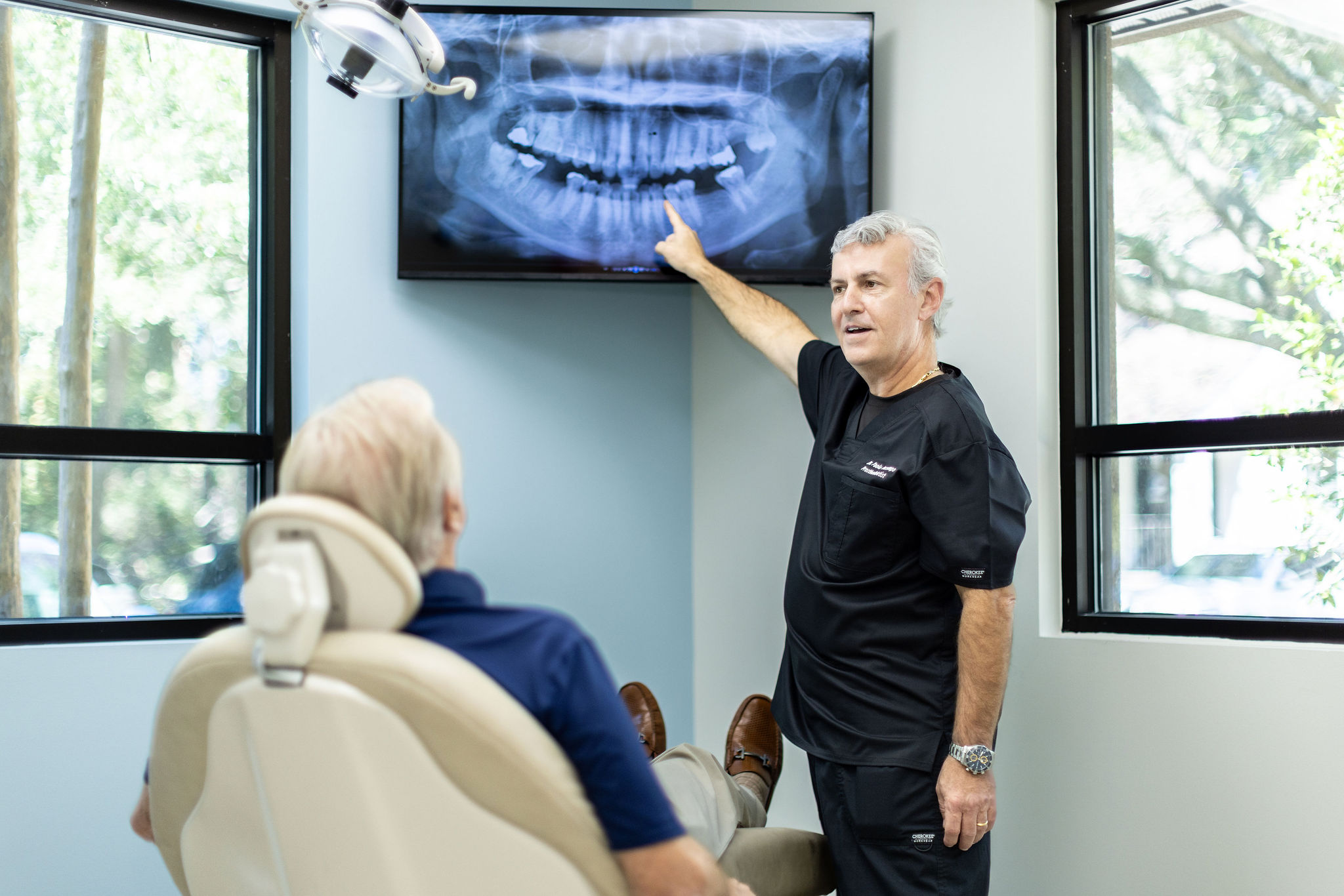
- An exam and digital X-rays of the gap and the teeth beside it
- Local anesthesia while the supporting teeth are prepared
- Digital impressions taken with an intraoral scanner
- A bridge shaded to match your smile and fitted to your bite
Bridge or implant?
A bridge relies on the teeth or implants on either side of the gap for support, while a single implant replaces a tooth on its own without affecting the teeth beside it. An implant-supported bridge combines the two: it is more durable than a traditional bridge and helps preserve the jawbone, but it requires implant surgery and a longer healing process. Your exam and X-rays help decide which option fits you.
Why replace a missing tooth
- Restores functionBrings back comfortable chewing and clear speech.
- Prevents shiftingKeeps neighboring teeth from drifting into the gap, so your bite stays stable.
- Natural appearanceTooth-colored materials blend with your smile.
Related treatments
Bridges are one of several ways to replace missing teeth, alongside dental implants and dentures. The supporting teeth of a traditional bridge are capped with dental crowns. Insurance and financing are explained on our payment plans page.
The short answer
A dental bridge replaces one or more missing teeth by anchoring an artificial tooth, called a pontic, to the neighboring teeth or to dental implants. Traditional bridges are held by crowns on the teeth on either side of the gap, implant-supported bridges are anchored in the jawbone, and cantilever bridges are supported on one side only. Filling the gap restores chewing and speaking, helps stop the nearby teeth from shifting and keeps the bite stable.
Dental bridges FAQ
- What is a dental bridge?
- A dental bridge replaces one or more missing teeth by anchoring an artificial tooth to the neighboring teeth or to implants. The artificial tooth, called a pontic, fills the gap and is held in place by the supports on either side. Bridges are custom-made from tooth-colored materials. They restore chewing and speaking and help keep your bite stable.
- How long do dental bridges last?
- With proper care, a dental bridge is a long-lasting way to replace missing teeth. How long yours lasts depends on the health of the supporting teeth or implants, your home care and regular checkups. Cleaning under the pontic every day protects the teeth that hold the bridge in place.
- What’s the difference between a bridge and an implant?
- A bridge relies on adjacent teeth or implants for support, while an implant replaces a tooth on its own without affecting nearby teeth. A traditional bridge places crowns on the teeth beside the gap. A single implant leaves those teeth untouched because it is anchored in the jawbone. Dr. Incampo can explain which suits your situation.
- Are implant-supported bridges better than traditional bridges?
- Implant-supported bridges are more durable and help preserve bone health, but they require surgery and a longer healing process. Because they are anchored in the jawbone, they do not need the neighboring teeth to be reshaped. A traditional bridge does not require implant surgery. The right choice depends on your teeth, your bone and your goals.
- Can a bridge replace multiple teeth?
- Yes, a bridge can replace one tooth or several teeth in a row. How many teeth a bridge can span depends on the strength of the supporting teeth or implants. For larger gaps, an implant-supported bridge can give the extra support needed.
- Do bridges look natural?
- Yes, modern bridges are made from tooth-colored materials that blend with your natural smile. The replacement tooth is shaped and shaded to match the teeth around it. The goal is a bridge that looks like part of your smile rather than a restoration.
- Is getting a bridge painful?
- The procedure is done with local anesthesia, and most patients feel only mild discomfort afterward. The supporting teeth are numbed before they are prepared. Sedation is available if you feel anxious about treatment.
- How do I care for a dental bridge?
- Brush and floss every day, and clean under the pontic with floss threaders or a water flosser. Food can collect under the replacement tooth, so this step protects the gums and the supporting teeth. Keep up with routine checkups so the bridge and the teeth holding it can be checked.
- Are dental bridges covered by insurance?
- Coverage for a bridge varies from plan to plan. We work with most major dental plans and will check your benefits and give you a written estimate before treatment begins. Financing through Cherry, CareCredit or Proceed Finance can spread the remaining balance into monthly payments.
- Who is a good candidate for a bridge?
- Patients missing one or more teeth who have healthy supporting teeth or implants are good candidates for a bridge. The teeth or implants on either side of the gap need to be strong enough to carry the replacement tooth. Your exam and X-rays show whether a bridge, an implant or another option fits you.
- How do I schedule a consultation?
- You can book online or call the office to schedule a bridge consultation. No referral is required. At the visit, Dr. Incampo examines the gap and explains your options for replacing the missing teeth.
Book a visit
Start with a consultation.
Office hours



Google reviews
Insurance & financing
Call with your plan details and we’ll check your benefits and give you a written estimate before treatment begins.
Payment plans and third-party financing are available for routine care and for larger treatment such as dental implants and full mouth reconstruction.